
PERSONAL INJURY — Rideshare accidents
What You Need to Know About Rideshare Accident Cases
One moment you are taking an Uber or Lyft home after a night out in Virginia, Maryland, or Washington, D.C. The next, your driver collides with another car. As the shock wears off, you are left with pain, medical bills, missed work, and a claim that involves at least three different insurance companies — none of which are eager to explain your rights to you. At W. Thomas Yi & Associates, we can help you understand your options and fight for the justice you deserve.

The basics
Who is Liable in an Uber/Lyft Crash?
Responsibility in rideshare accidents varies:
Passengers hurt by their Uber or Lyft driver may be covered by the rideshare company’s $1 million policy.
Other drivers struck by a rideshare vehicle may seek compensation from either the rideshare policy or the driver’s personal insurance, depending on whether the app was active.
Pedestrians or cyclists hit by a rideshare car may also benefit from the company’s coverage if the driver was logged in and transporting.
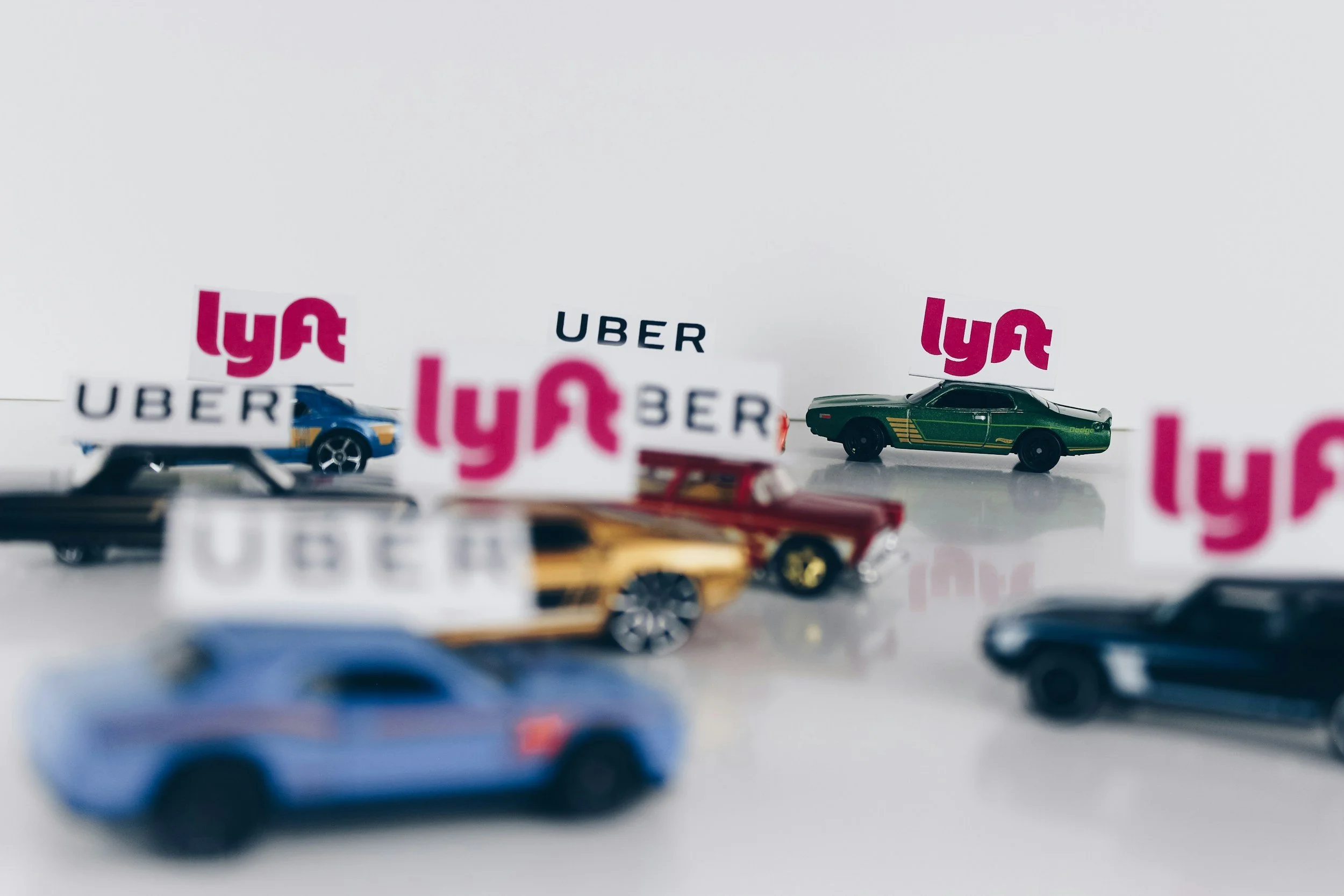

Common Causes of Rideshare Accidents
-
Rideshare drivers interact with an app constantly — accepting requests, confirming pickups, following turn-by-turn navigation, and monitoring surge pricing. That is a screen competing with the road in a way ordinary driving is not.
-
Earnings rise with completed trips. That creates real pressure to move quickly, roll through stops, and take risks.
-
Rideshare drivers routinely stop in travel lanes, bike lanes, and crosswalks to load passengers, creating danger for passengers, cyclists, and following traffic alike.
-
Drivers cover their own maintenance costs. Worn brakes and tires on a high-mileage vehicle contribute to crashes.
-
Drivers frequently work areas they do not know well, relying entirely on GPS. Missed signals, sudden lane changes, abrupt stops, and wrong-way turns follow — a particular hazard on complex DMV roadways like the Beltway interchanges, Route 7, I-395, and the traffic circles of the District.
-
Rideshare vehicles concentrate in nightlife areas at exactly the hours impaired drivers are on the road. A responsible decision to call a car does not remove the risk posed by everyone else.
-
There is no specialized commercial training requirement to drive for a rideshare platform.
-
Many drivers work long shifts, often stacking rideshare hours on top of another job. Fatigue slows reaction time and impairs judgment much like impairment does.
what you may recover

Compensation You May Be Entitled to Recover
Rideshare crash victims routinely underestimate what the law allows them to claim:
Medical expenses — emergency care, hospitalization, surgery, imaging, medication, physical therapy, and the cost of future treatment
Lost income — wages already lost, plus diminished future earning capacity if your injuries limit the work you can do
Pain and suffering — physical pain and the emotional toll, including anxiety, sleep disruption, and PTSD, which are common after a violent collision
Loss of enjoyment of life — the activities and independence you can no longer take part in
Property damage — personal belongings damaged in the crash
Wrongful death damages — in fatal cases, including loss of companionship, guidance, and support, along with funeral and burial costs
Why Rideshare Accident Claims Are Different
An ordinary car accident usually involves two drivers and two insurance policies. A rideshare crash can involve:
The rideshare driver's personal auto policy, which very often excludes commercial activity
Another at-fault motorist's policy
Your own uninsured/underinsured motorist (UM/UIM) coverage
The rideshare company's $1 million commercial policy for drivers who are on an active trip
PIP or MedPay benefits, depending on the jurisdiction
The rideshare company's contingent coverage for drivers who are logged in but waiting
Which of these applies is not a matter of opinion. It is determined by app data — timestamps showing when the driver logged on, when a trip request was accepted, and when the passenger was picked up and dropped off. That data sits on Uber's and Lyft's servers, not in the police report. Getting to it quickly is one of the most important things a lawyer does in these cases.
WHY THESE CASES MATTER
A Personal Injury Case Involves Far More Than Medical Bills
In the days after an injury, healing is usually the only thing on your mind. But the consequences rarely stop there. You may be out of work, staring down months of treatment, living with ongoing pain, or trying to rebuild a life that suddenly looks different than it did before.

You don't need to know whether you have a case before calling. You only need to know that you were hurt in a crash and have questions. We'll listen to what happened on the road, ask focused questions about the accident, and help you understand whether W. Thomas Yi & Associates can help you recover.
You don’t need to have everything figured out
We have staff members fluent in:
Amharic (ethiopian)
spanish
korean
vietnamese
thai
Client Testimonials